Engineering automation around the filling process

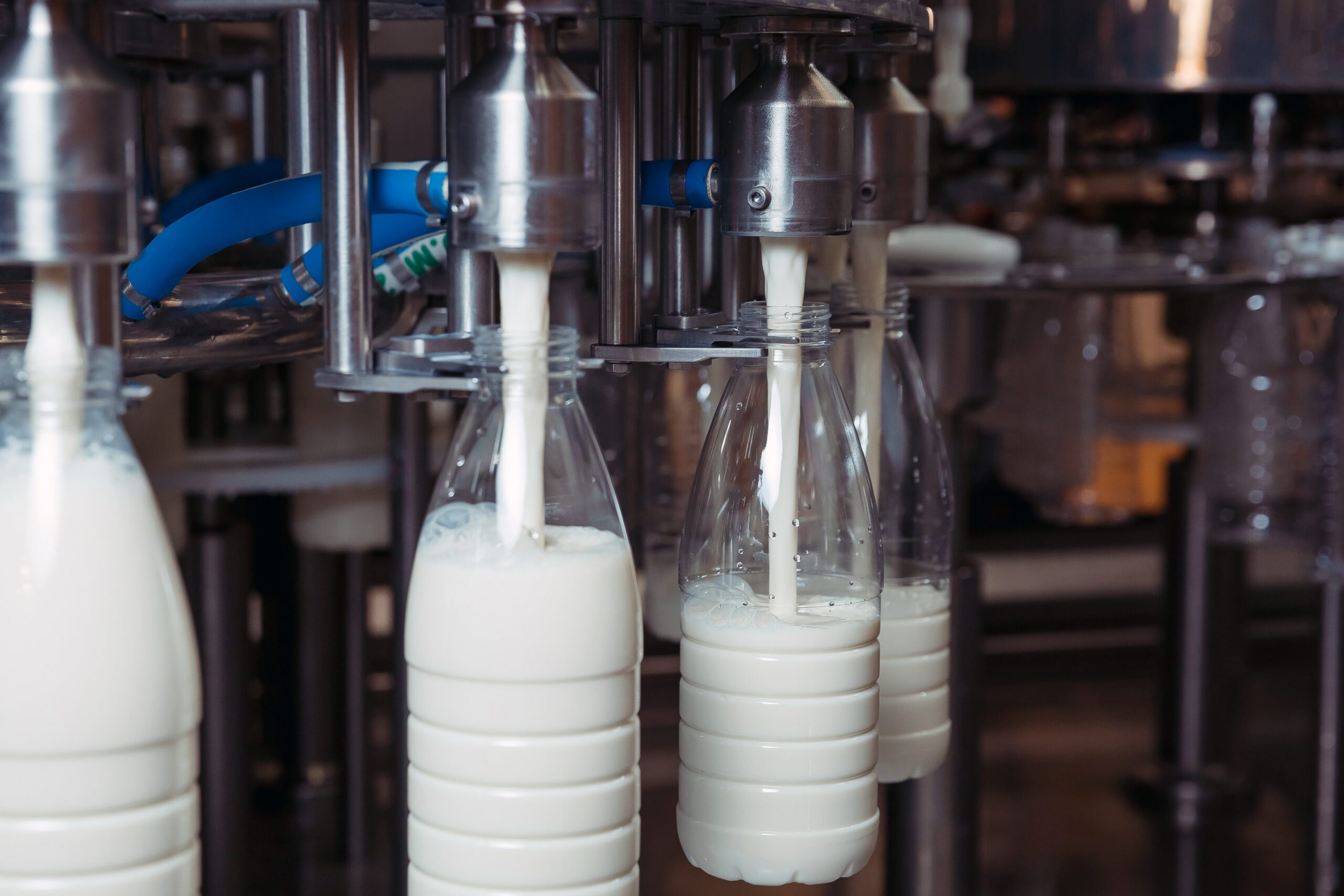
Efficiency, hygiene, and consistency are essential in every filling operation, yet many fillers still use bottles produced elsewhere. Storing, transporting, and unpacking them adds cost, space, and risk.

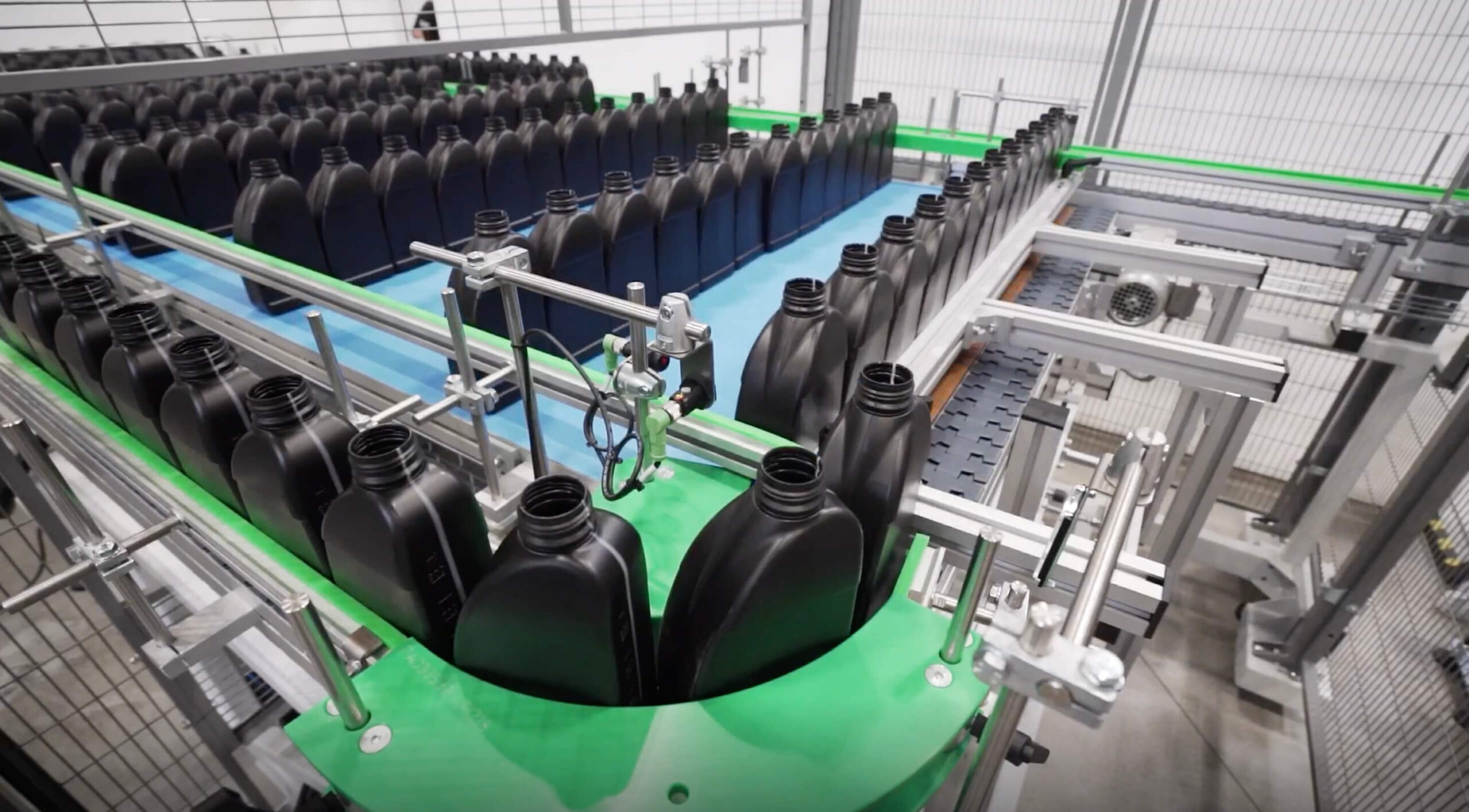
By integrating blow molding and filling on one connected line, those extra steps disappear. Bottles move directly from the blow molder to the filler: trimmed, coated, printed, buffered and ready. An intermediate buffer system will ensure speed variations and micro-stops can be handled efficiently.

This seamless flow reduces handling, contamination, and downtime while improving overall equipment effectiveness (OEE) and sustainability. Built entirely in-house, Delta Engineering’s systems ensure perfect synchronization for a smooth and cost-efficient process.

1
Bottle conveying & handling
2
Quality control
3
Spin trimming
4
Plasma coating
5
Bottle buffering
6
Depalletizing
7
Digital printing
1.
Bottle conveying & handling
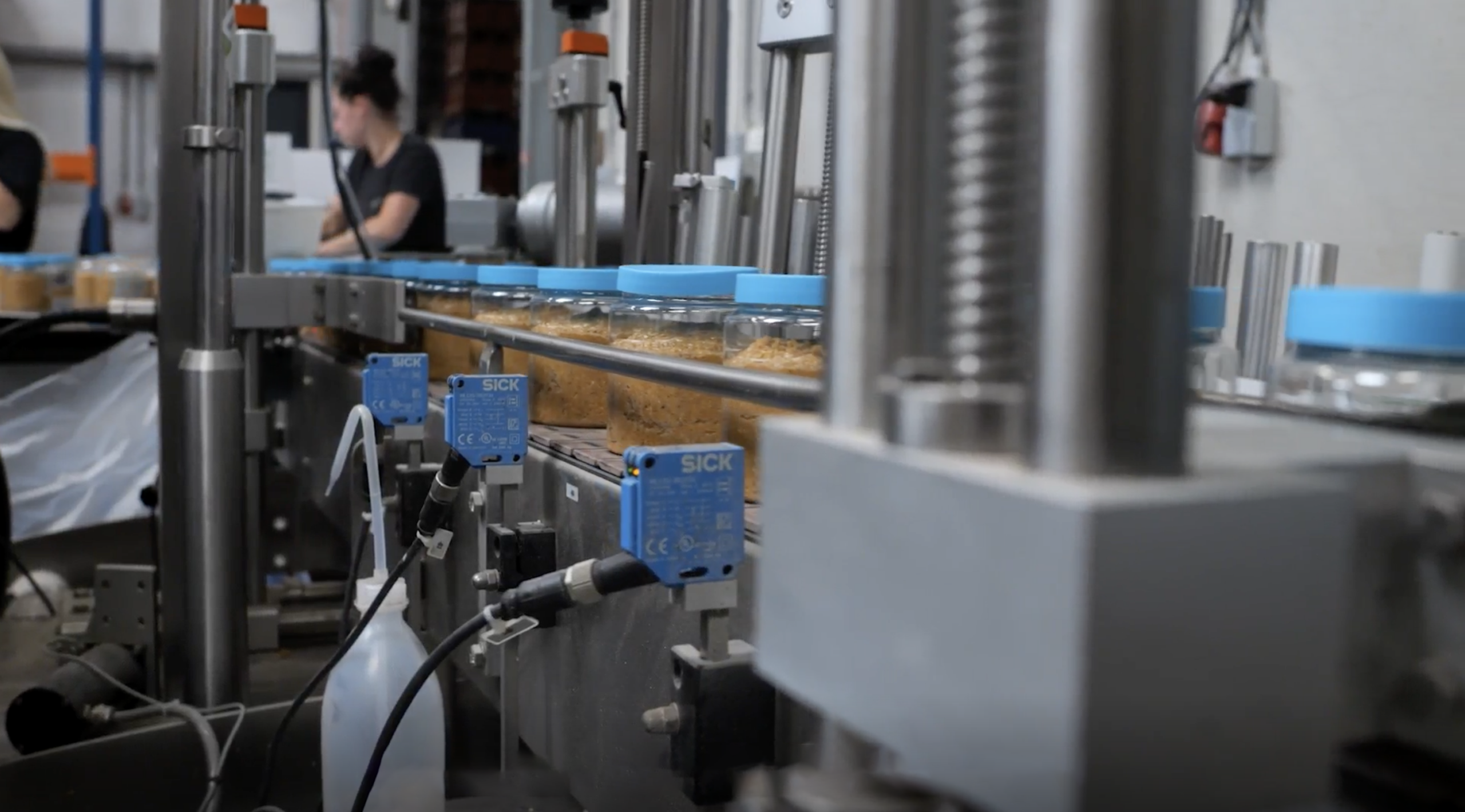
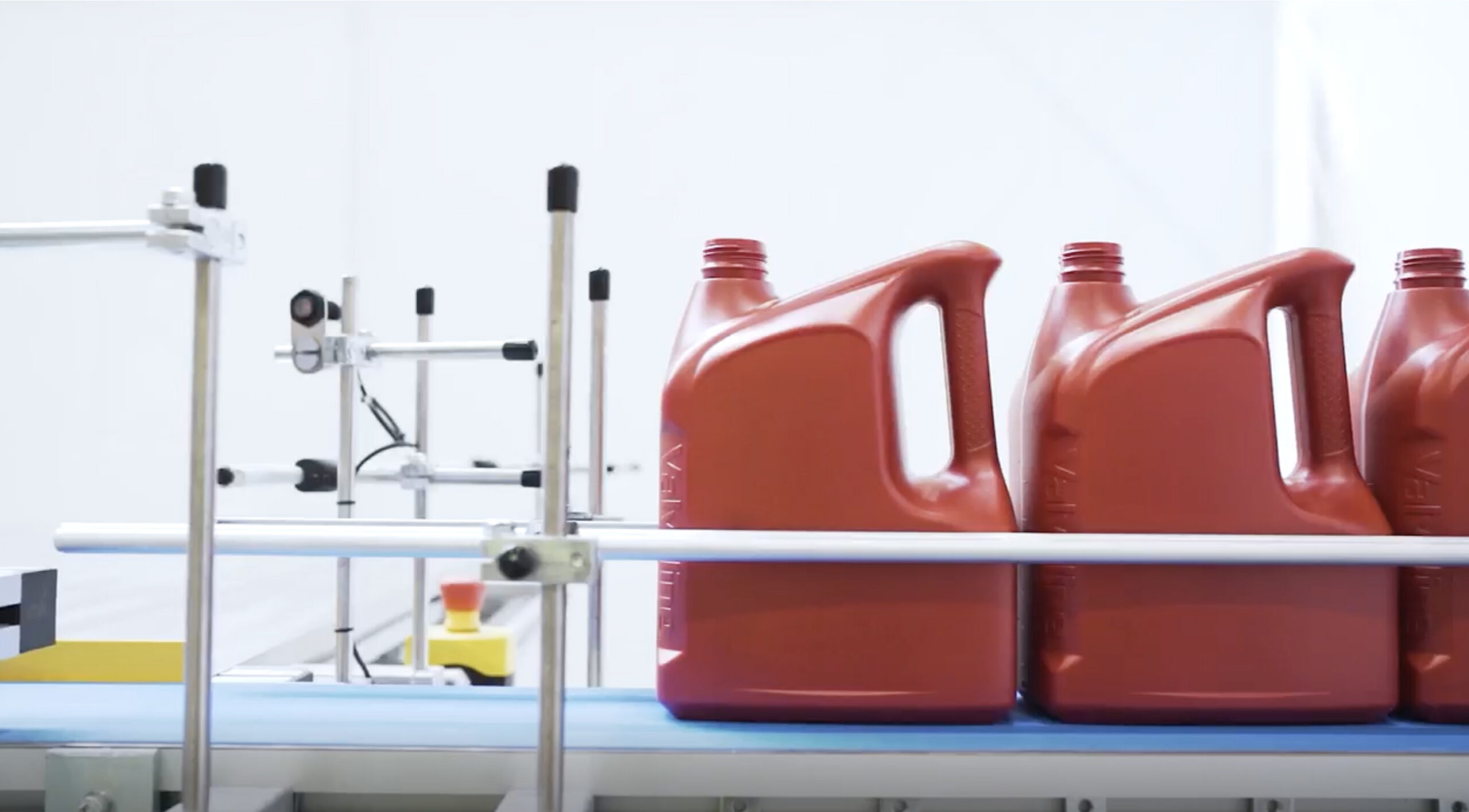
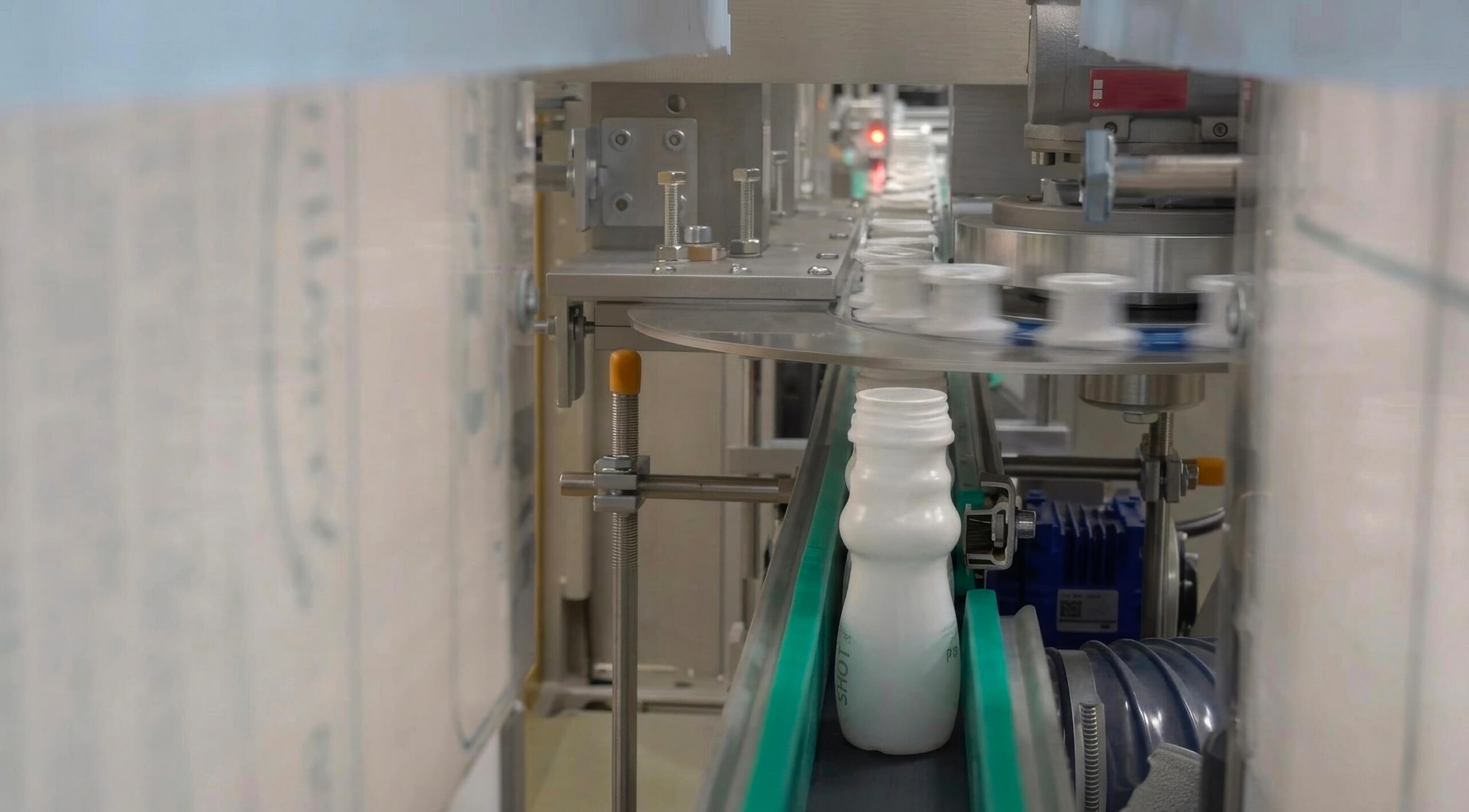
Reliable conveying is the foundation of an efficient filling line. Using conveyors, line control, and buffering, we prevent bottle jams, reduce manual handling, and maintain a stable flow across your entire process.
2.
Quality control
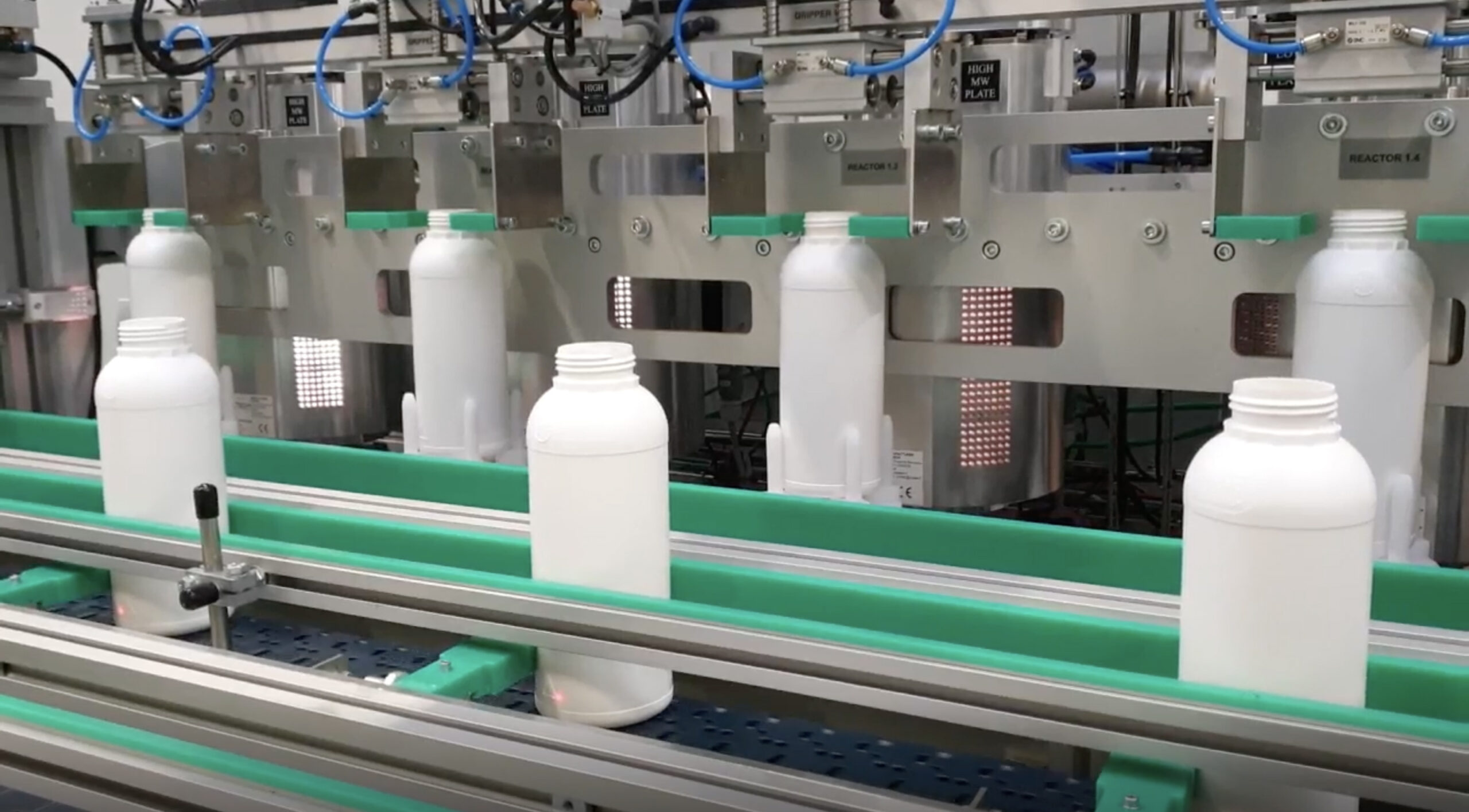
In-line quality inspection ensures the integrity of every bottle entering the filler. Our high-speed, non-destructive systems combine leak testing, vision inspection, and metal detection to identify defects before filling. From micro-leaks and dimensional deviations to contamination risks, potential issues are detected early, preventing spills, product loss and costly downtime.
3.
Spin trimming
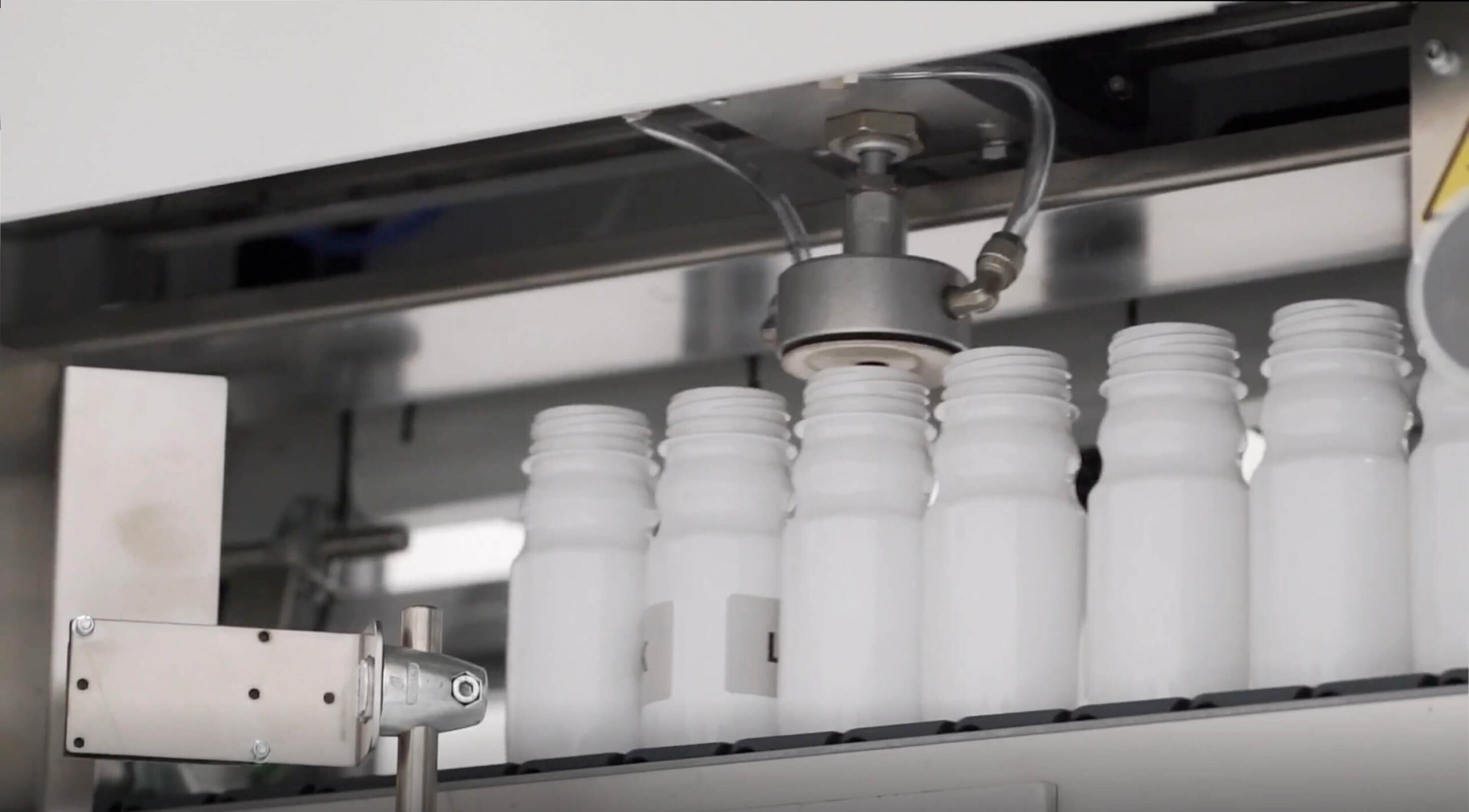
Accurate trimming is key to achieving a perfect neck finish and leak-free seal. Our spin trimmers remove excess material with high precision, preparing bottles for consistent filling and capping. The result is a cleaner process, less waste, and flawless sealing performance.
4.
Plasma coating
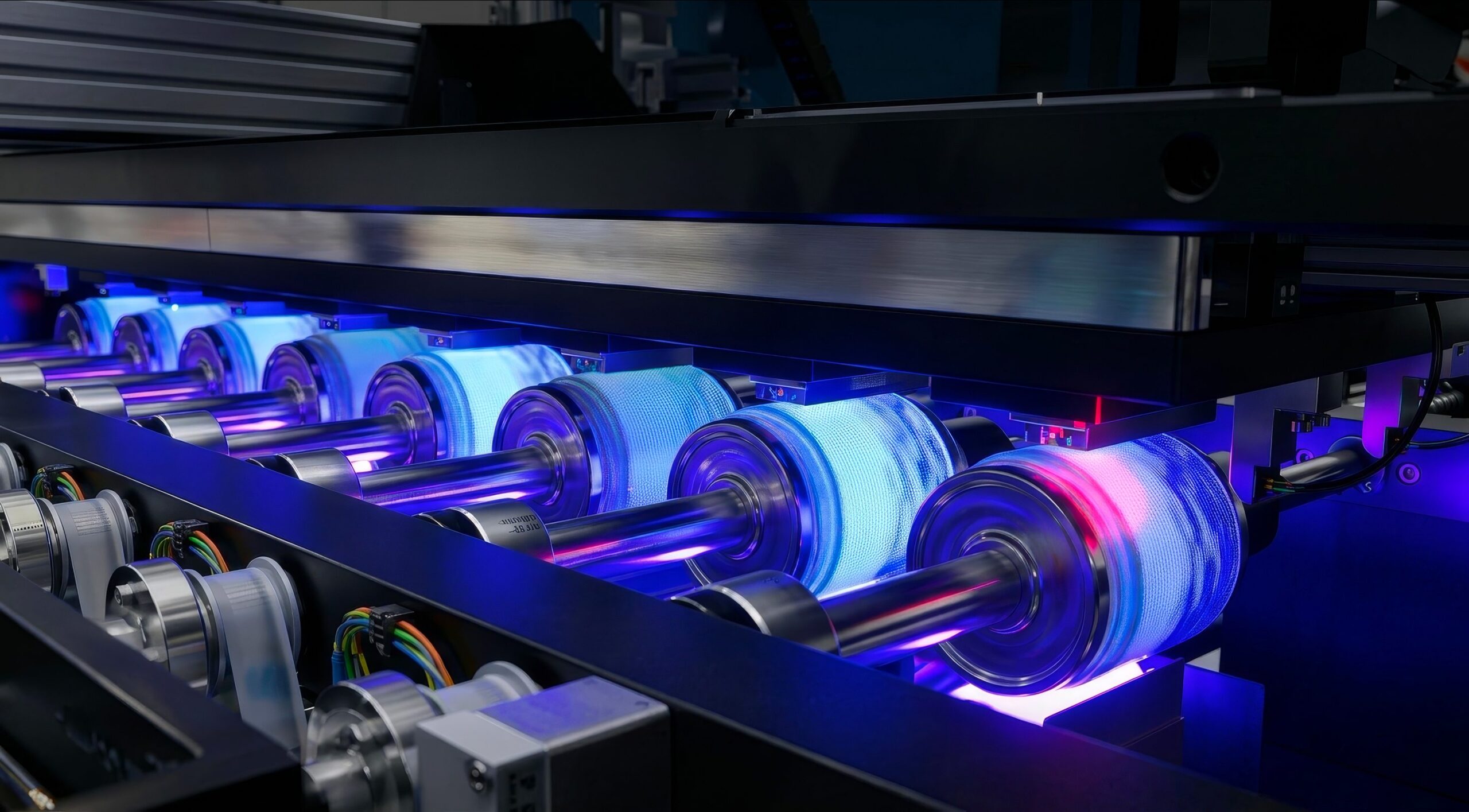
Without a plasma barrier coating, oxygen and carbon dioxide can quickly impact product quality and shelf life. Our recyclable, food-safe plasma coating creates a high-performance barrier that keeps oxygen out and carbonation in, maximizing shelf life.
5.
Bottle buffering
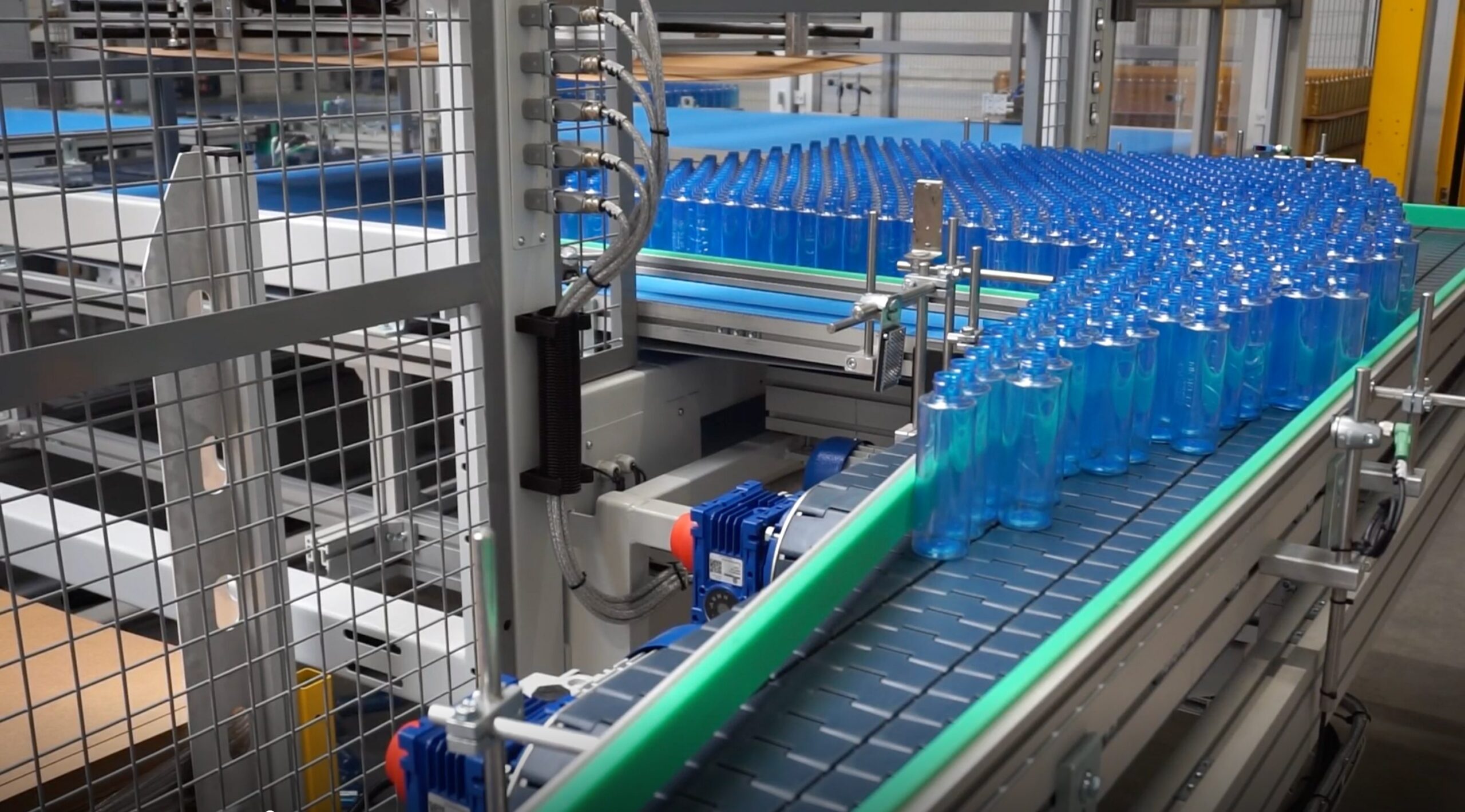
No filling line runs at one fixed speed. Our buffering systems absorb micro-stops and production speed variations to keep downstream equipment running smoothly. Automated overnight and weekend buffering enables smaller, lower-capital blow molders to operate continuously while supplying filling lines that run only one or two shifts per day, maximizing efficiency and minimizing downtime.
6.
Depalletizing
Automate bottle supply with our depalletizing systems that feed empty bottles into the line quickly and safely. Designed for high-speed operations, they minimize manual work, prevent contamination, and keep bottle flow steady towards the filler.
7.
Digital printing
Our digital printing solutions apply high-quality artwork and variable data directly onto bottles, eliminating labels and reducing waste. Fast changeovers make it easy to switch designs or product batches, offering flexibility and efficiency in one step.

What sets Delta Engineering apart in filling automation?

Integrated line automation

One seamless flow, from blow molding to filling

At Delta Engineering, we design and build in-house systems that connect blow molding and filling into one seamless flow. Our buffer and debuffer systems operate fully automatically, eliminating the need for additional labor or packaging materials while ensuring seamless product flow. With intermediate buffering and perfect synchronization, bottles move directly from production to filling faster, cleaner, and fully controlled.

Proven efficiency and cost savings

Limiting capital and operational costs by up to 25% with smart automation

Integrating blow molding and filling cuts costs on labor, logistics, capital, and space by up to 25%. Built in-house for perfect synchronization, our systems boost efficiency, reduce waste, and deliver lasting value for every filler.

Lower capital investment through smart buffering

Reducing blower size, optimizing utilization, and lowering investment costs

Automated 24/7 buffering allows bottle production to continue overnight and during weekends, even when filling lines operate only one or two shifts per day. This enables smaller, lower-capital blow molders to run continuously at optimal efficiency, reducing peak capacity requirements while maintaining reliable bottle supply for filling operations.

Reliable performance and global support

Operational continuity with fast, expert assistance

With multilingual service teams and fast support, we keep our customers’ filling lines running reliably, anywhere in the world.

Every step in between blow molding and filling matters

Efficiency, reliability, and product quality all depend on what happens after molding. Delta Engineering’s automation solutions help you maintain hygiene, speed, and quality across your entire filling process. Designed and supported by our in-house teams, they keep rigid packaging production lines efficient, reliable, and ready for tomorrow’s challenges. 
years of experience
0 +
Supported by a global team of Specialists
0 +
Trusted by customers in Countries
0 +
machines designed, engineered, and installed worldwide
0 +

Case studies

Proven results in the filling industry

Case study

From transporting empty plastic jars to fully integrated production

Read More

Case study

Sustainable blow molding through smart downstream automation

Read More

FAQ

The top 5 questions we get
from filling companies

How do we keep our filling line running when one station stops or slows down?
Unplanned stops between bottle supply, inspection, coating, printing, and filling are costly. Delta Engineering’s buffering systems and smart line control stabilize your process by absorbing micro-stops and speed variations. Our buffer conveyors, palletizers, and tables help prevent blow molding and filling downtime while maintaining a steady flow between machines, regardless of filler speed. Cooling options are also available to prevent labeling issues. The result: maximum uptime and higher overall equipment efficiency.
Why automate the process between blow molding and filling?
Why bring blow molding in-house?
We face static, scuffing, and bottle jams at the filler. What’s the most effective solution?
Our products are sensitive to oxygen or carbon dioxide loss. Can we fix this without multilayer packaging?

Subscribe to the newsletter