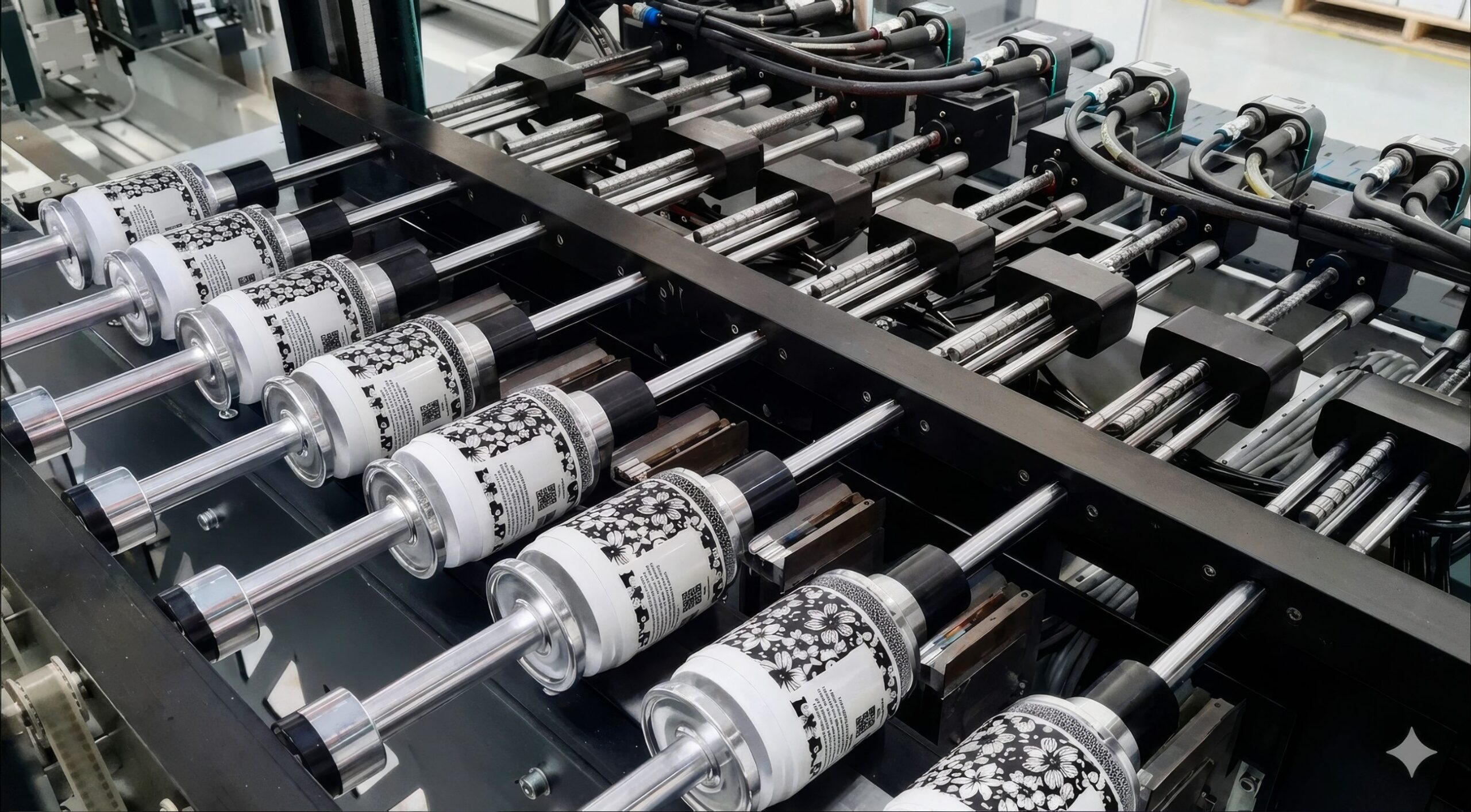
How do we keep a blow molding line running when one machine stops?
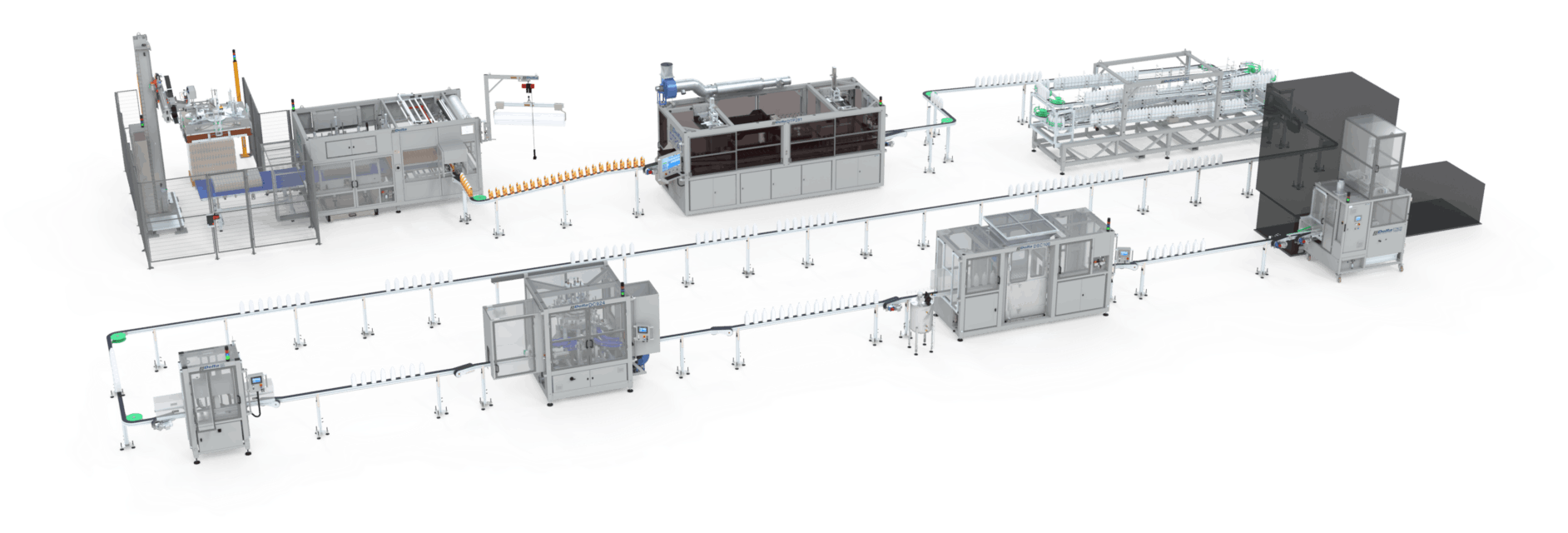
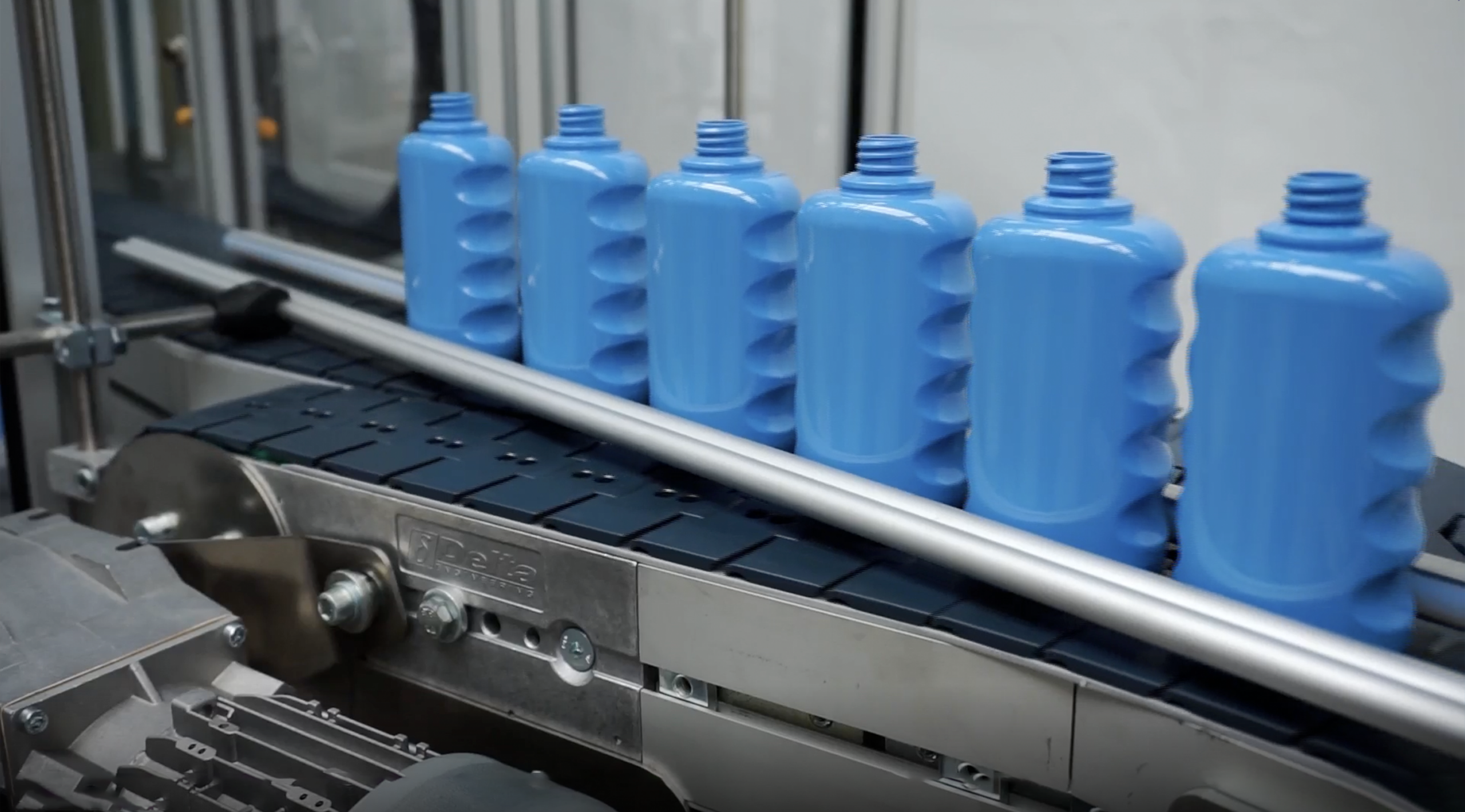
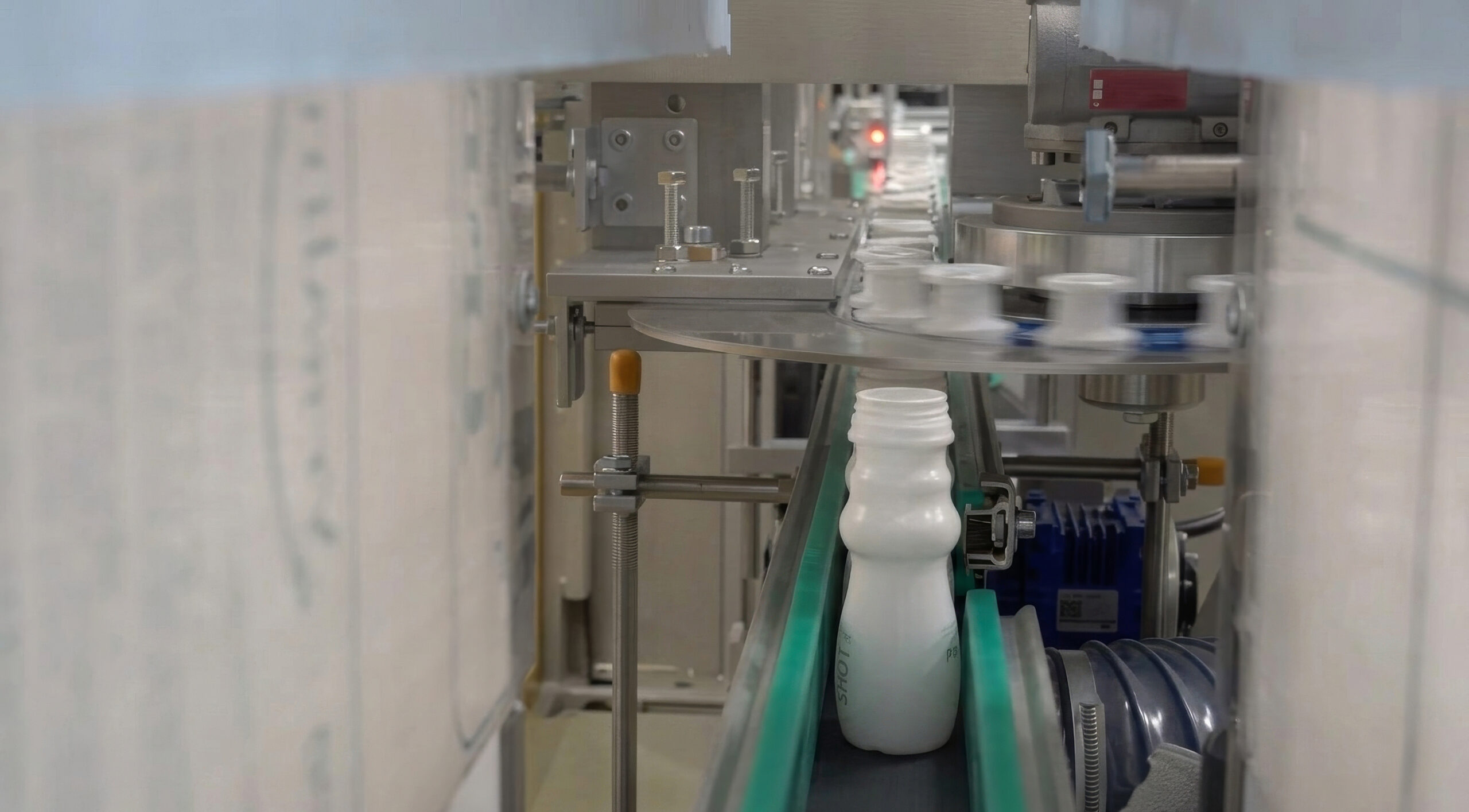
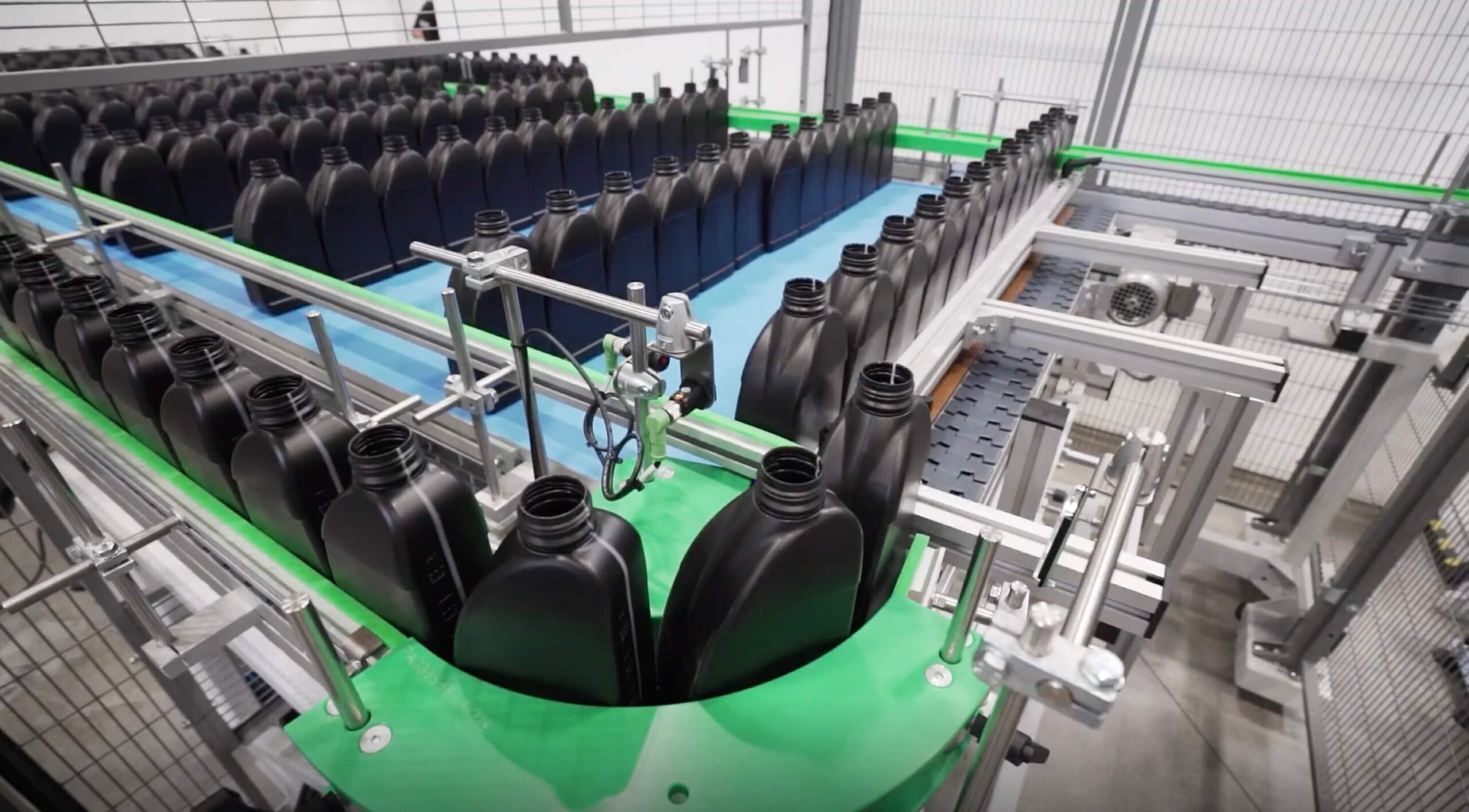
Use buffering to absorb micro-stops and changeovers, combined with balanced conveying and clear line control. A smart buffer strategy keeps the flow stable between molding, finishing, quality control, and packaging so uptime stays high.
How can we detect leaks and defects at high speed without hurting throughput?
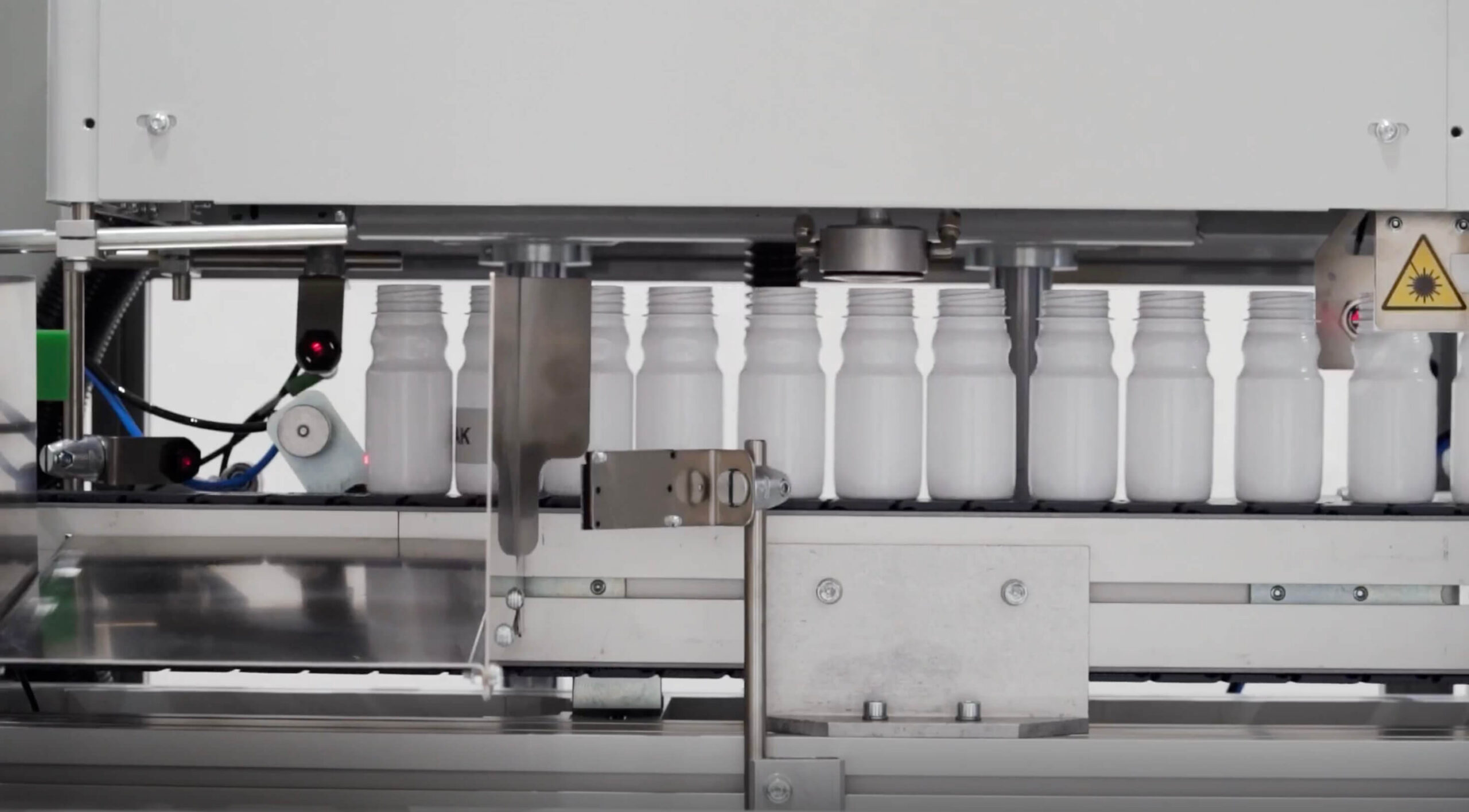
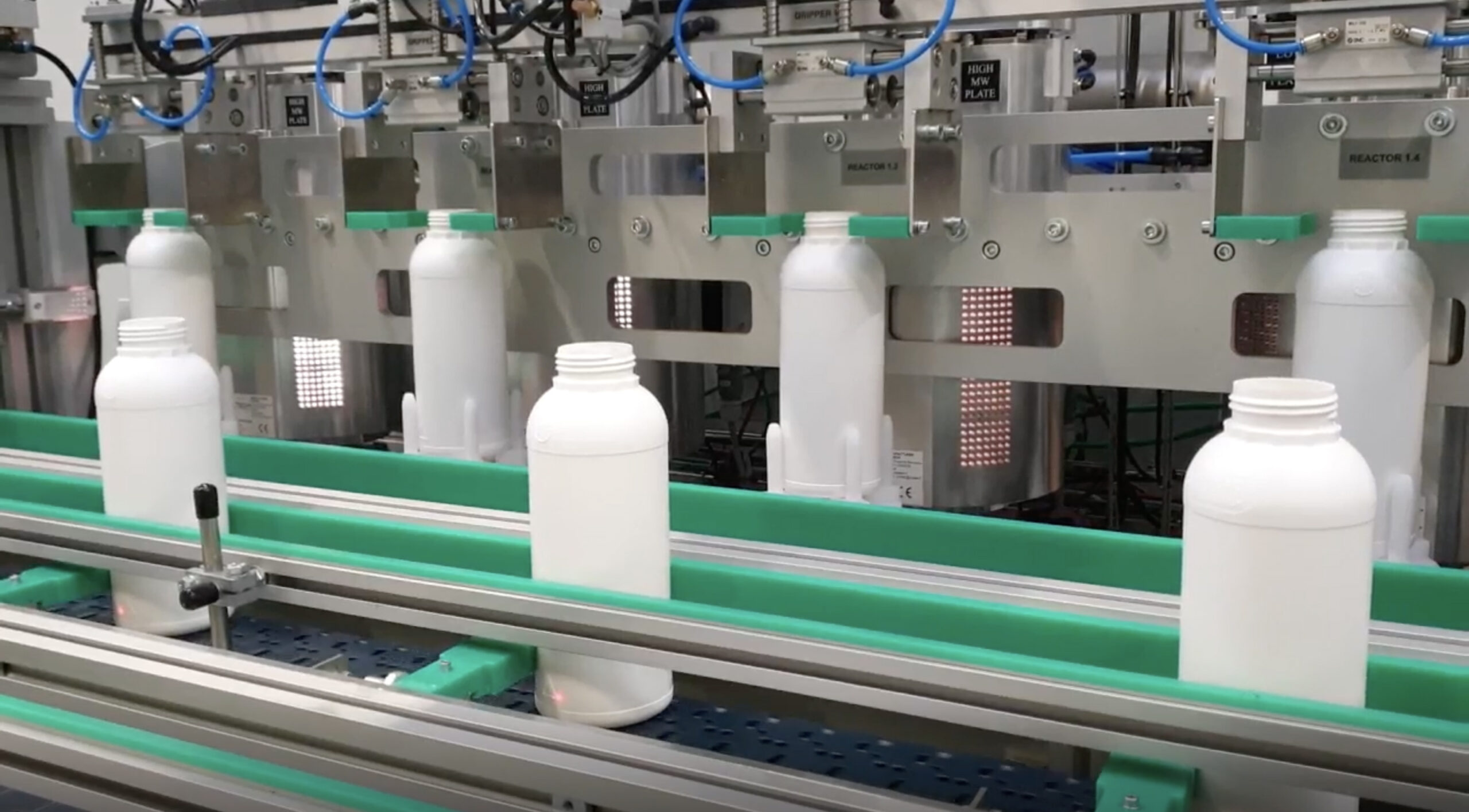
Combine in-line leak testing with the right inspection method for your bottle and speed target. Modern systems minimize false rejects, provide positive ejection logic, and scale from single stations to rotary testers for very high bottle-per-hour rates.
Bagging, trays, cases, or silos: what’s the best way to pack empty bottles?
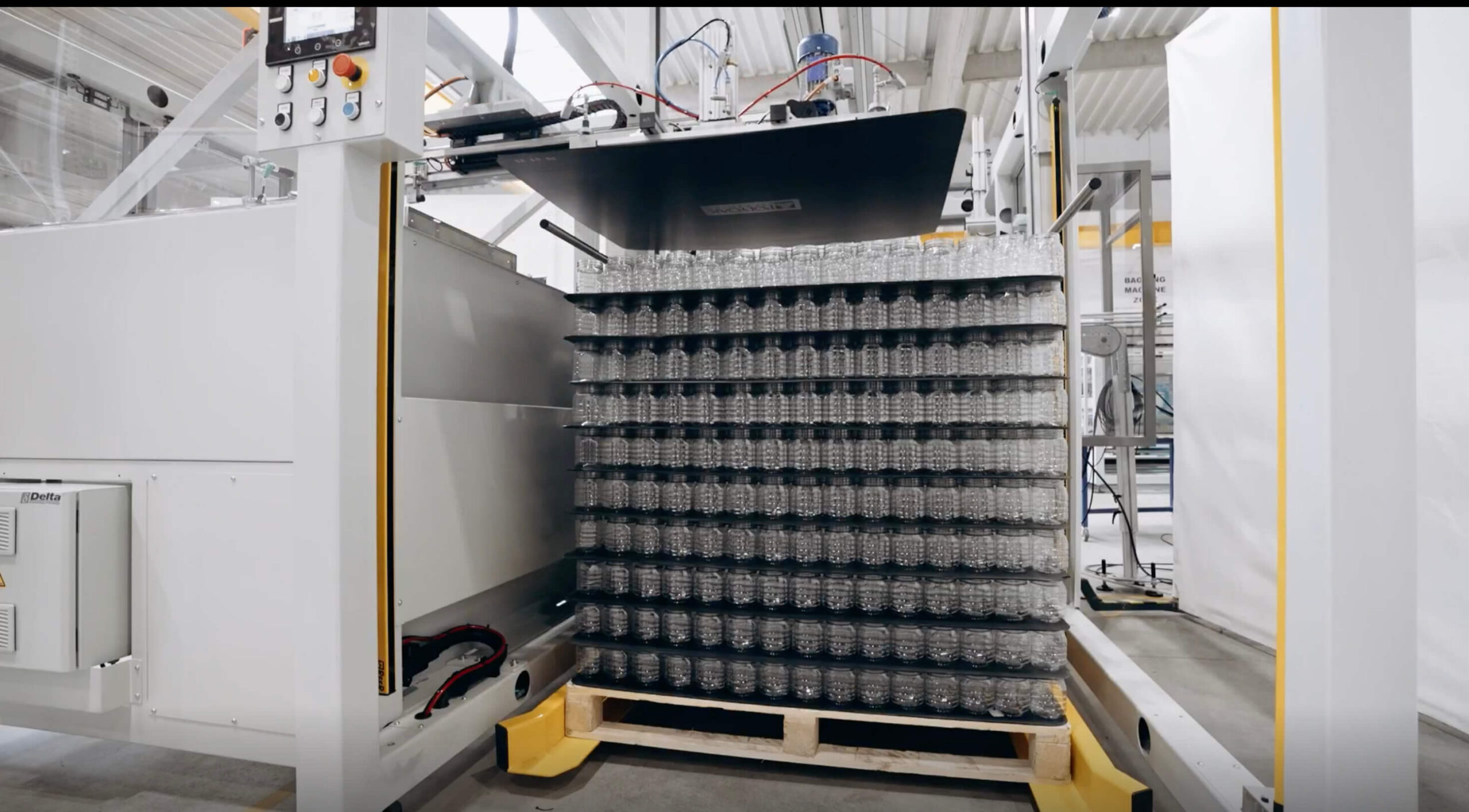
It depends on a variety of needs: hygiene, transport density, bottle geometry, and downstream logistics. Bagging is often the most economical and hygienic, trays and cases suit special shapes, slip sheets cater to high speed, and silos shine when blowing and filling are close together and you want minimal operator handling.
How do plasma and spray coatings help blow-molded packaging perform better?
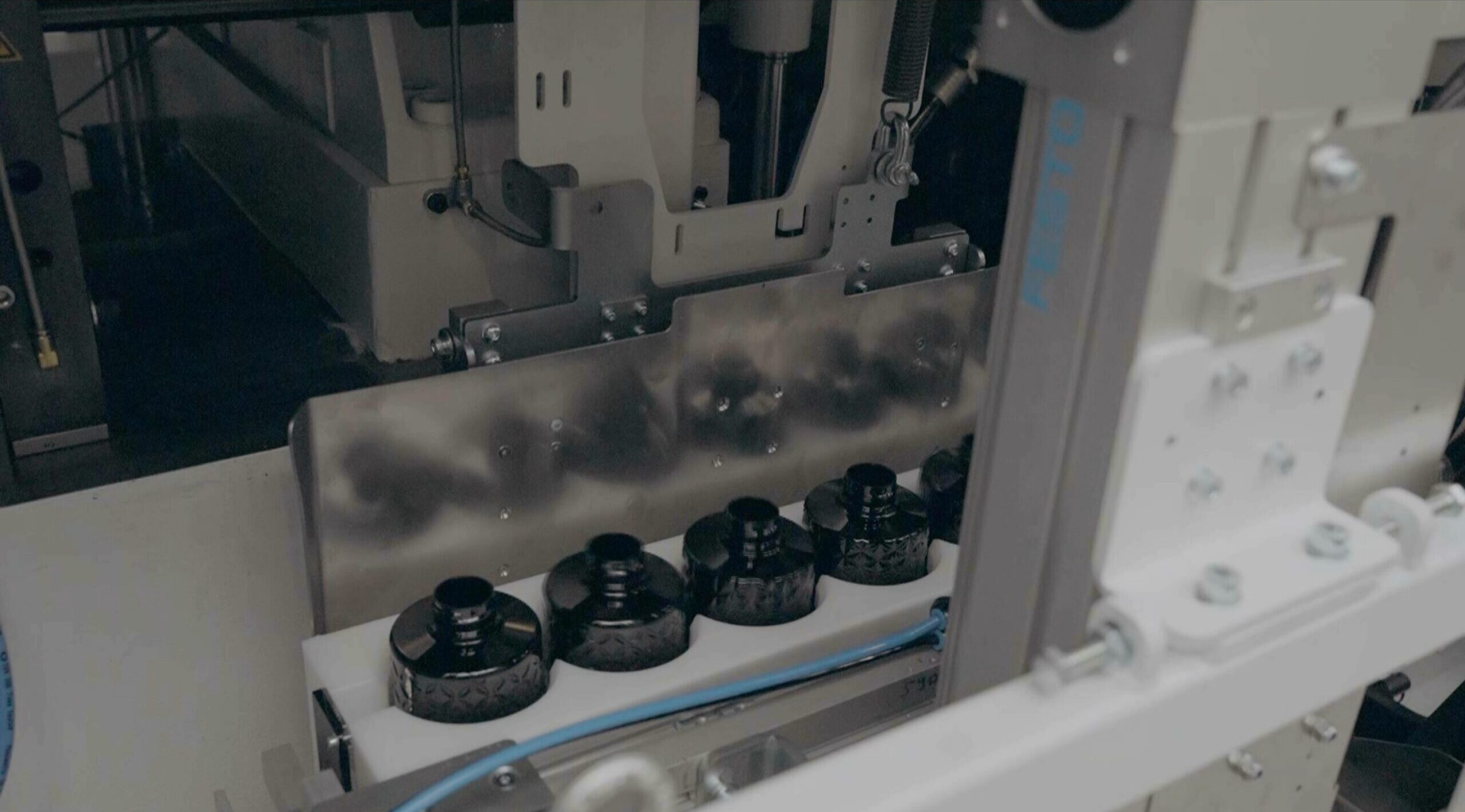
Plasma and spray coatings improve surface energy for print and label adhesion and can add barrier performance. Think better oxygen and solvent barriers, less scuffing and dust attraction, and longer shelf life where the application requires it.
Can one partner design, build, install, and support our entire downstream concept?
The most reliable outcome comes from an end-to-end approach: line design and simulation, in-house machine manufacturing, on-site installation and integration, plus multilingual after-sales service and spare parts. One accountable partner keeps your project on time and your line performing day-to-day.
 Cookie policy