How do we effectively leak test pails for solvent-based products at production speed?
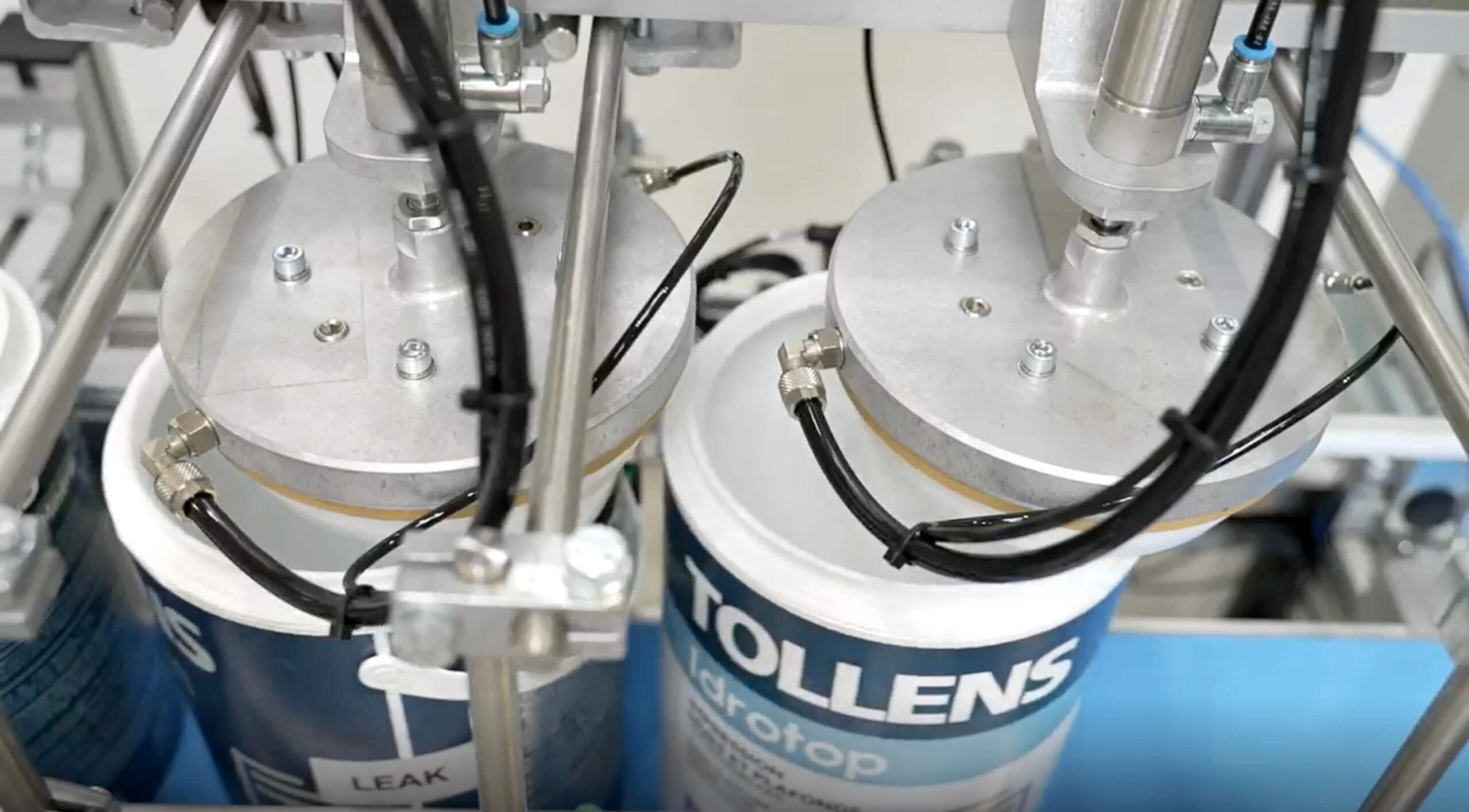
Use on-the-fly pressure-decay or rotary leak testing sized to your throughput, combined with calibration and positive ejection logic. Rotary systems reach up to 40,000 BPH with minimal false rejects, while calibration tools keep accuracy stable on warm, in-line products. Positive ejection treats any uncertain unit as defective, which drives customer complaints toward zero.
Can plasma-coated HDPE really replace metal pails for paints and coatings?
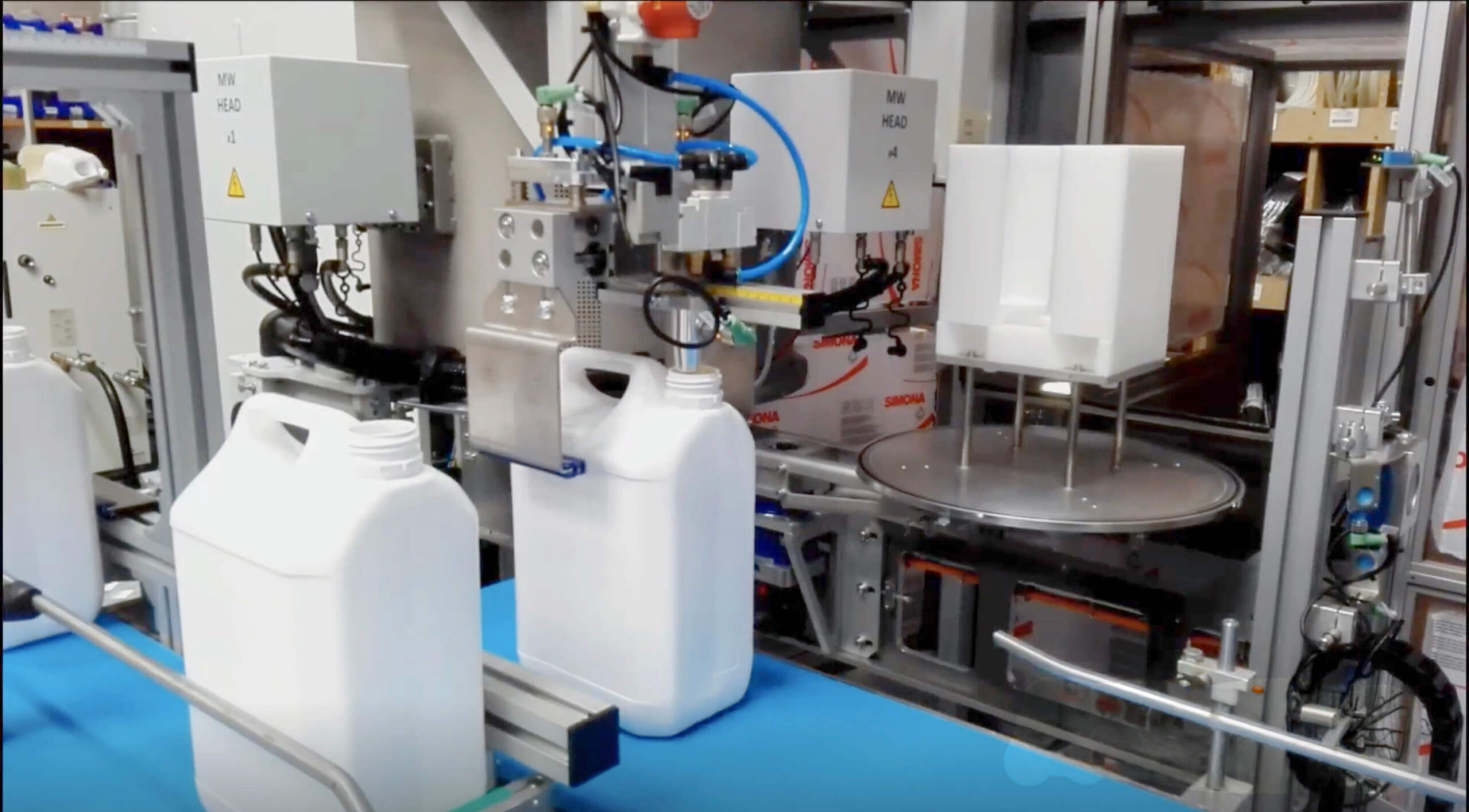
Plasma coating adds a thin, uniform barrier that resists solvents and limits migration, enabling recyclable HDPE pails to replace metal or coex packs. You avoid denting and corrosion, as well as reduce weight. This proven setup comes with strong customer references and a short payback.
Which solvents are compatible with plasma-coated pails and how do we qualify them?
Typical paint solvent systems (ketones, esters, alcohols, glycol ethers, and blends) are compatible with plasma-coated HDPE. Around 95% of referenced paint customers successfully moved from metal to HDPE. Share your solvent formulation for a targeted compatibility test and data-backed validation before scale-up.
How does digital printing compare to labels or IML for pails?
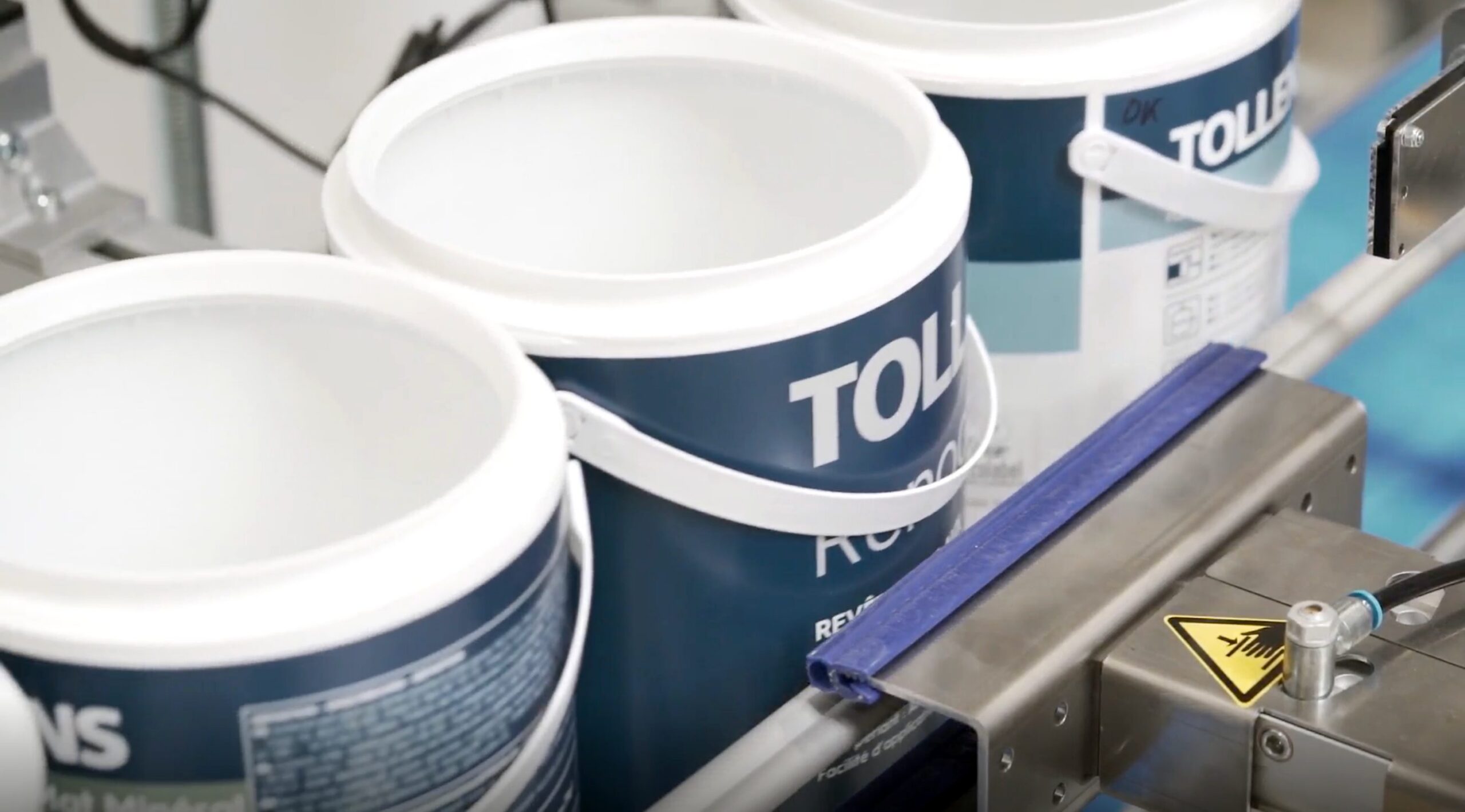
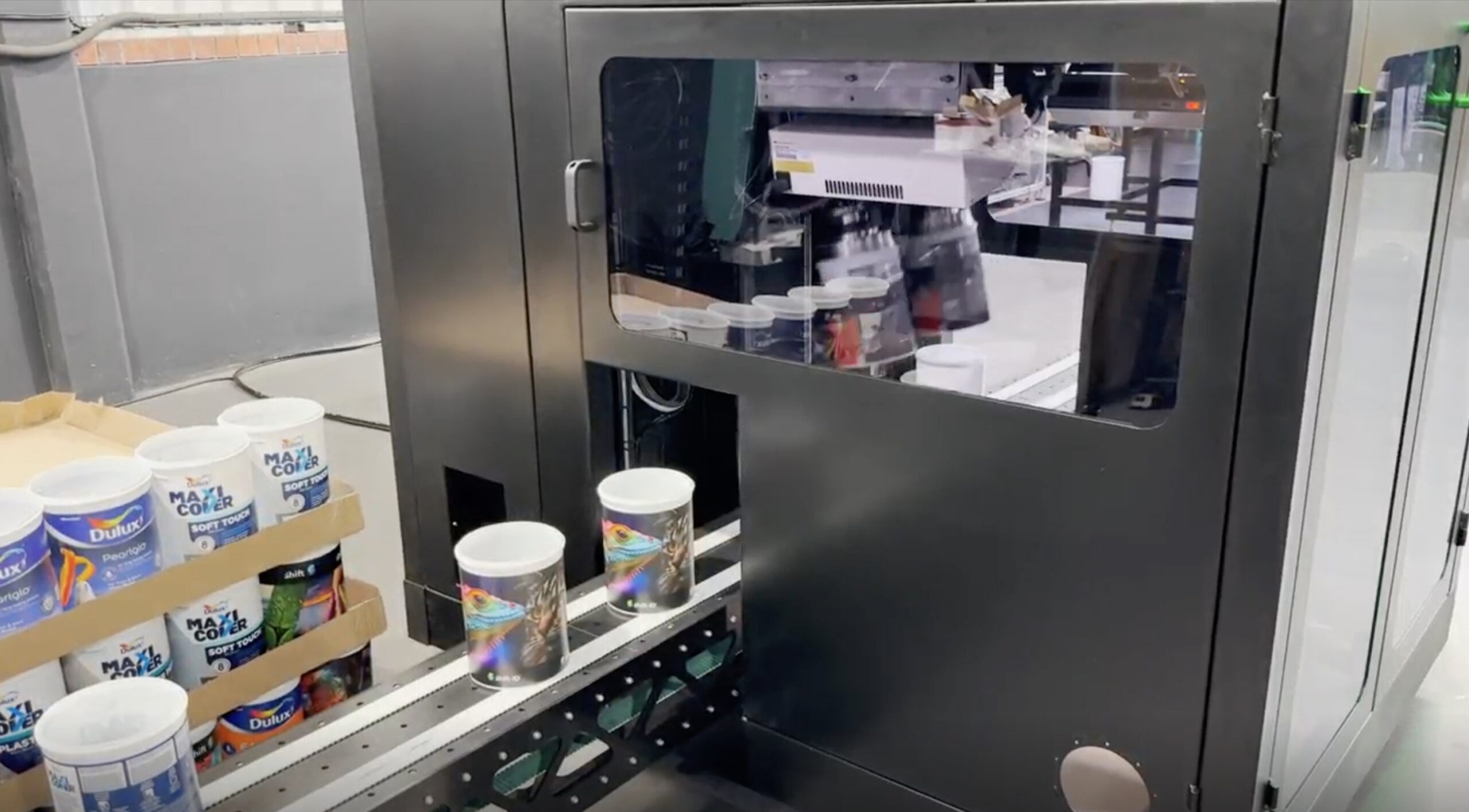
Multi-pass digital printing achieves IML-level quality or better with accurate color matching, almost no setup waste, and fast changeovers. You eliminate label inventory and minimum order quantities (MOQs), print only what you need, and even individualize every print. Our customers typically achieve average cost savings of 50% compared to IML.
What are the operational gains from integrating leak testing, plasma coating, and digital printing on one line?
You raise overall equipment effectiveness (OEE) through fewer stops, nearly zero print waste, and stable barrier performance that protects product quality. Integrated handling, quick changeovers, and online–offline order software shorten lead times and reduce working capital tied up in labels and WIP. The result is a cleaner, faster, lower-carbon operation with reliable 24/7 performance.
 Cookie policy